



Unique piece – only one available.
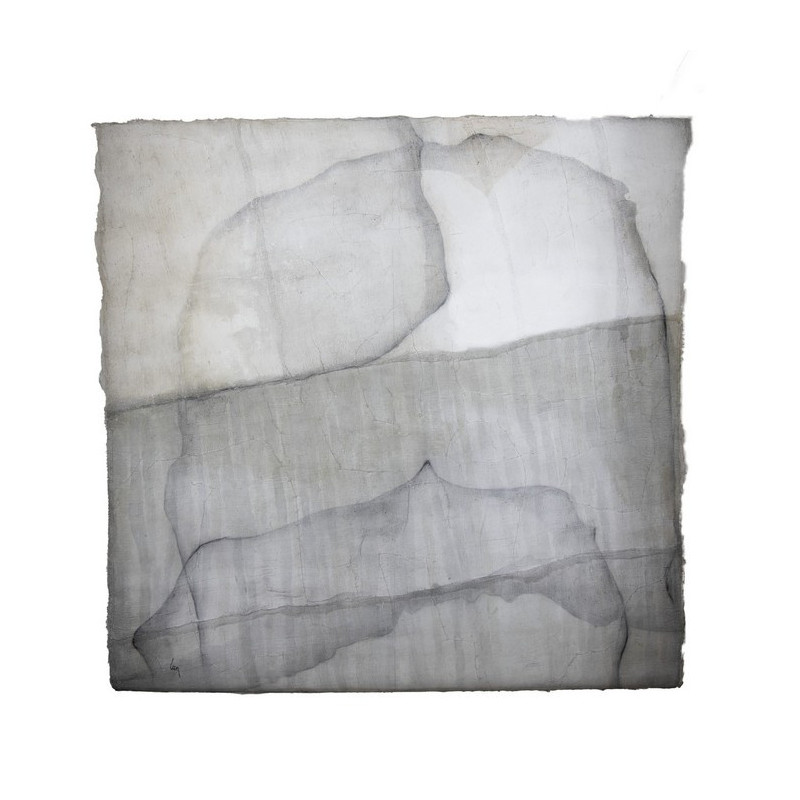
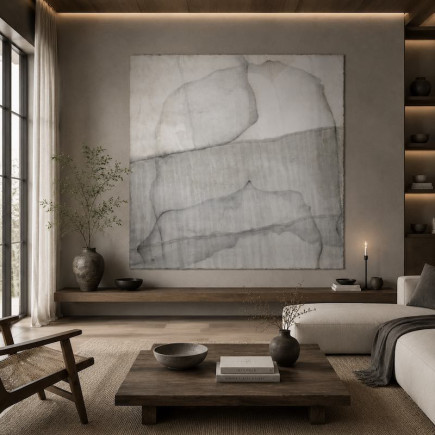
Herlinde is a monumental textile painting by Belgian artist IAN, measuring an impressive 180 × 180 cm.
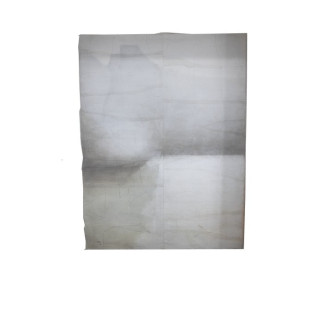
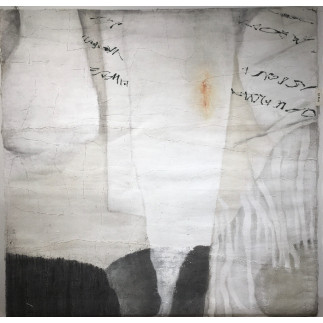
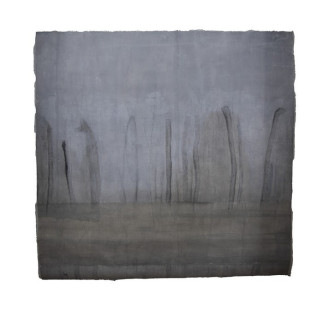
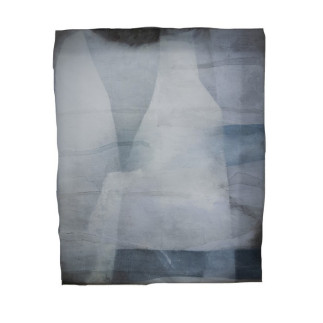
Three hand-stitched layers of batiste, cotton gauze and paper form a tranquil composition of soft grey tones, translucent areas and visible lines.
 Secure payment with iDEAL | Wero, bank transfer or ICS
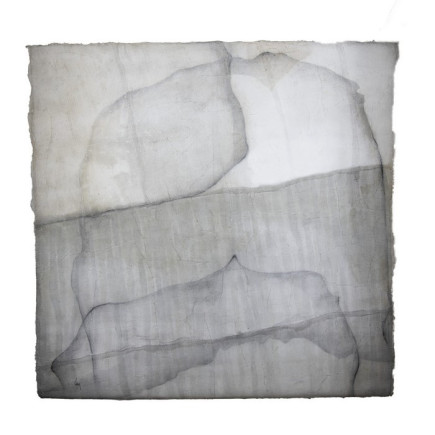
Herlinde is composed of three layers in which batiste, cotton gauze and paper have been stitched together by hand. The different materials are not simply a neutral background, but form a visible part of the artwork itself. The open structure of the textile, the seams, soft folds and irregular edges give the work a tactile, handcrafted appearance. The square composition consists of translucent and semi-opaque areas in soft shades of grey, white and natural tones. Some forms gradually merge, while others are defined by a visible line or transition between materials. Differences in texture and transparency create depth without making the artwork feel heavy. From a distance, Herlinde appears calm and balanced. When viewed more closely, the individual layers, fibres, seams and subtle colour transitions become increasingly visible. The abstract forms may evoke mist, stone, a landscape or folded textile without imposing a fixed interpretation. The generous size of 180 × 180 cm gives the artwork a powerful presence. At the same time, the restrained colour palette and delicate materials create a contemplative character. It is precisely this combination of monumentality and refinement that makes Herlinde so distinctive.
IAN is a Belgian artist who creates monumental textile paintings at the intersection of painting and textile art. Her works are soft and delicate in material, yet powerful in scale, composition and presence. Her sense of textiles, patterns and colour originates in the world of fashion. Before focusing fully on her independent artistic practice, IAN designed patterns and worked with fabrics and colours for fashion designers and brands, including Dries Van Noten and Natalie Vleeschouwer. IAN works with natural and refined materials such as batiste, cotton gauze and paper. Fibres, folds, seams and hand-stitched details remain visible, giving each work a human and handcrafted quality. Paint, fabric and line come together in layered compositions in which delicacy and strength remain carefully balanced. Her textile art invites you to look slowly. From a distance, you experience the shape, colour and overall atmosphere; up close, you discover the materials, stitching and subtle transitions between the different layers.
With its light colours and monumental dimensions, Herlinde can bring tranquillity to a room while also serving as a powerful focal point. The artwork needs a spacious wall with sufficient open space around it. This allows the irregular edges, translucent layers and square proportions to remain fully visible. Combine the work with honest, natural materials such as linen, wool, wood, natural stone and matt ceramics. Avoid a busy background or too many small accessories around the artwork. Soft, indirect lighting can highlight its texture and layers without disturbing its quiet appearance.
Decoration colours: Mystery Grey, Cinque Terre and Cornwall Black
A wall in Mystery Grey connects with the soft grey layers of Herlinde, allowing the artwork and interior to flow calmly into one another. Cinque Terre can be used on a second wall, a low piece of furniture or echoed in warm, sand-coloured natural materials. This adds warmth to the cool greys and prevents the room from feeling distant. Use Cornwall Black only for fine lines, such as window frames, lighting, chair legs or a small furniture detail. These dark lines give the room structure without disturbing its tranquil character. Light wood, linen, wool, ceramics and a restrained vintage piece reinforce the handcrafted quality. Display Herlinde without a frame so that the frayed edges and three hand-stitched layers remain visible. Leave sufficient wall space around the artwork and avoid small accessories in its immediate surroundings.
he effect: a calm and tactile Japandi interior in which art, material and simplicity are carefully balanced.
Decoration colours: Georgian Green, Umber Brown and Old White
Georgian Green creates a natural, restful background that connects the plants with the surrounding space. Against this muted green, the light grey and white layers of Herlinde remain clearly visible. The artwork introduces a moment of calm between the organic forms and lively foliage. Umber Brown can be repeated in a wooden bench, table, plant pots or a reused piece of furniture. Old White is suitable for a sofa, curtains or light accessories and prevents the combination of green shades from becoming too heavy. Materials such as rattan, weathered wood, jute and coarse ceramics complement the natural and handcrafted appearance of the textile painting. Position plants beside or below the artwork, but do not allow leaves to cover its frayed edges. This keeps the full 180 × 180 cm format visible and gives Herlinde its own place within the interior.The effect: a warm and lively Urban Jungle interior in which the artwork forms a tranquil focal point.
Decoration colours: Cornwall Black, Gold and Namibian Sand
A wall in Cornwall Black creates a powerful contrast with the light, translucent layers of Herlinde. The frayed contours, seams and differences between the materials become even more visible. Its monumental dimensions immediately give the entrance hall character and turn your arrival into a distinctive art experience. Use Gold sparingly in a table lamp, wall light or small metal detail. Namibian Sand can be repeated in a rug, natural stone or soft accessories, creating a warm transition between the dark interior and the light artwork. A simple console and a few large objects work better here than numerous small decorations. Warm, indirect lighting is particularly important in this scenario. Position the light so that the texture and layered construction remain visible without creating harsh shadows or shining directly onto the delicate materials. The artwork is again deliberately displayed without a frame, keeping the handmade edges as part of the composition. The effect: an understated yet impressive entrance hall with the atmosphere of a personal gallery.
The interior images accompanying this artwork are atmospheric impressions created with the help of the Decoration Color Visualizer. Decoration Paint colours were used as the starting point to show how the artwork can interact with colour, materials, light and space.
Because of its 180 × 180 cm format, it is important to consider the available wall, viewing distance, lighting and proportions in relation to the furniture. With a photograph and the dimensions of the room, we can help determine where Herlinde will look its best and which Decoration Paint colours will support the artwork.
1. Is ‘Herlinde’ a unique artwork?
Yes. Herlinde is an original textile painting by IAN and, as a unique piece, is available only once.
2. Where can I display a textile painting measuring 180 × 180 cm?
The monumental square format works best on a spacious wall with sufficient open space around it. Consider a large living room, dining room, entrance hall or another open space where you can also step back to experience the entire composition.
3. How do light and viewing distance affect the artwork?
From a distance, you mainly experience the calm composition and large areas of colour. Up close, the three layers, fibres, seams and subtle differences in transparency become visible. Soft, indirect lighting helps reveal these details; prolonged direct sunlight is best avoided with textile art.
4. What materials is ‘Herlinde’ made from?
The artwork consists of a combination of batiste, cotton gauze and paper. The three individual layers have been stitched together by hand. The materials, visible joins and layered construction are therefore an essential part of the composition.
5. Can I view ‘Herlinde’ before purchasing it, and how will it be transported?
Yes. The artwork can be viewed in person at Pot Interieur in Axel. Because of its size and delicate materials, collection, personal handover or specialised art transport will always be carefully coordinated with you.
Every artwork in our collection is unique. We therefore coordinate transport, handover and viewing personally, taking both the artwork and your individual situation into account.
Would you like to purchase the artwork immediately? You can pay for it directly and collect it yourself from Pot Interieur in Axel.
The artworks are located at Pot Interieur in Axel, where they can be viewed in person during opening hours and collected immediately after purchase. Artworks are not normally shipped as standard parcels. Depending on the size, material and value, we arrange either a personal handover or specialised art transport to ensure that the work arrives in optimal condition. After a reservation or purchase, we will always contact you to coordinate the transport and handover carefully.
Specific References
No customer reviews for the moment.
Unique piece – only one available.
Herlinde is a monumental textile painting by Belgian artist IAN, measuring an impressive 180 × 180 cm.
Three hand-stitched layers of batiste, cotton gauze and paper form a tranquil composition of soft grey tones, translucent areas and visible lines.