











INSPIRATION

Japandi

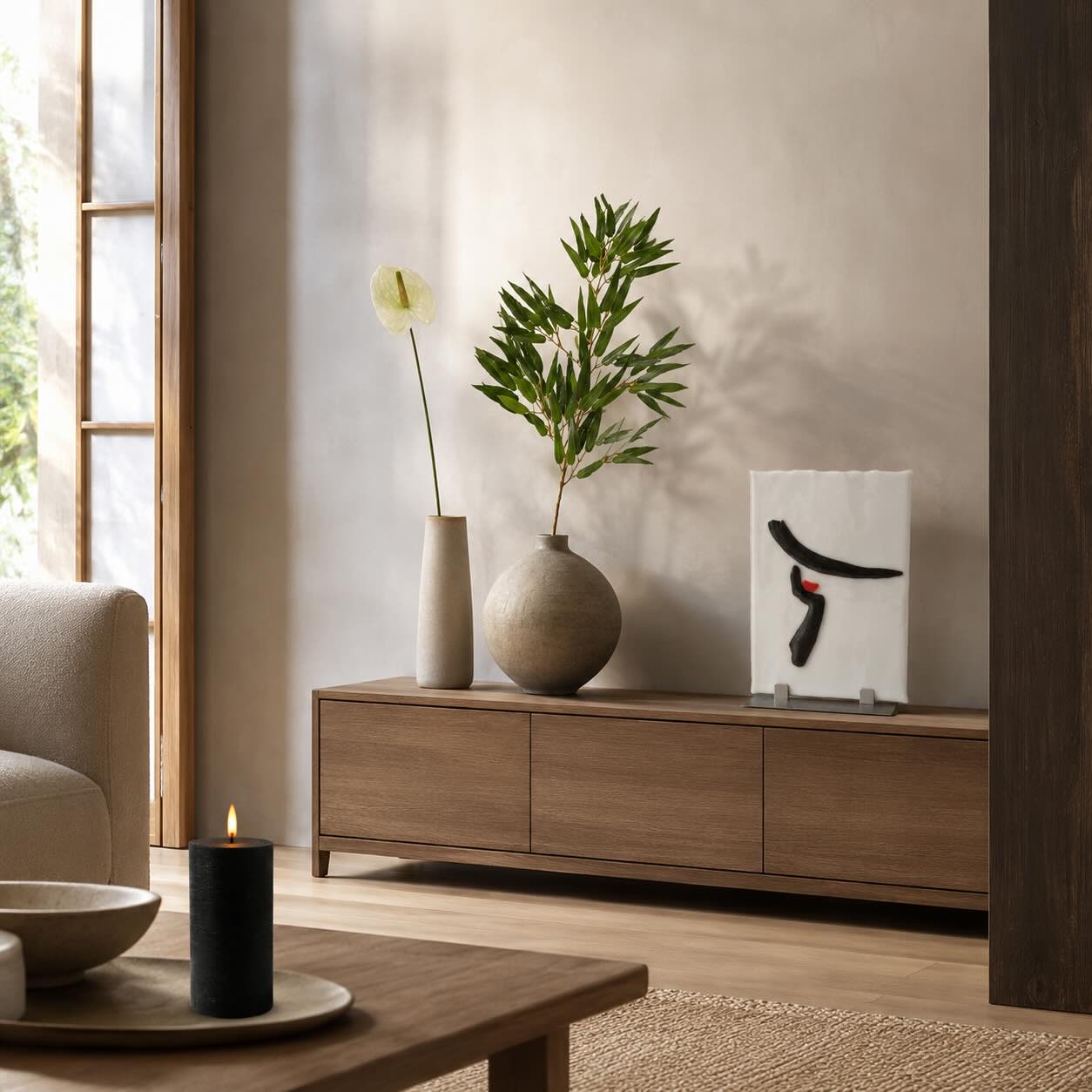
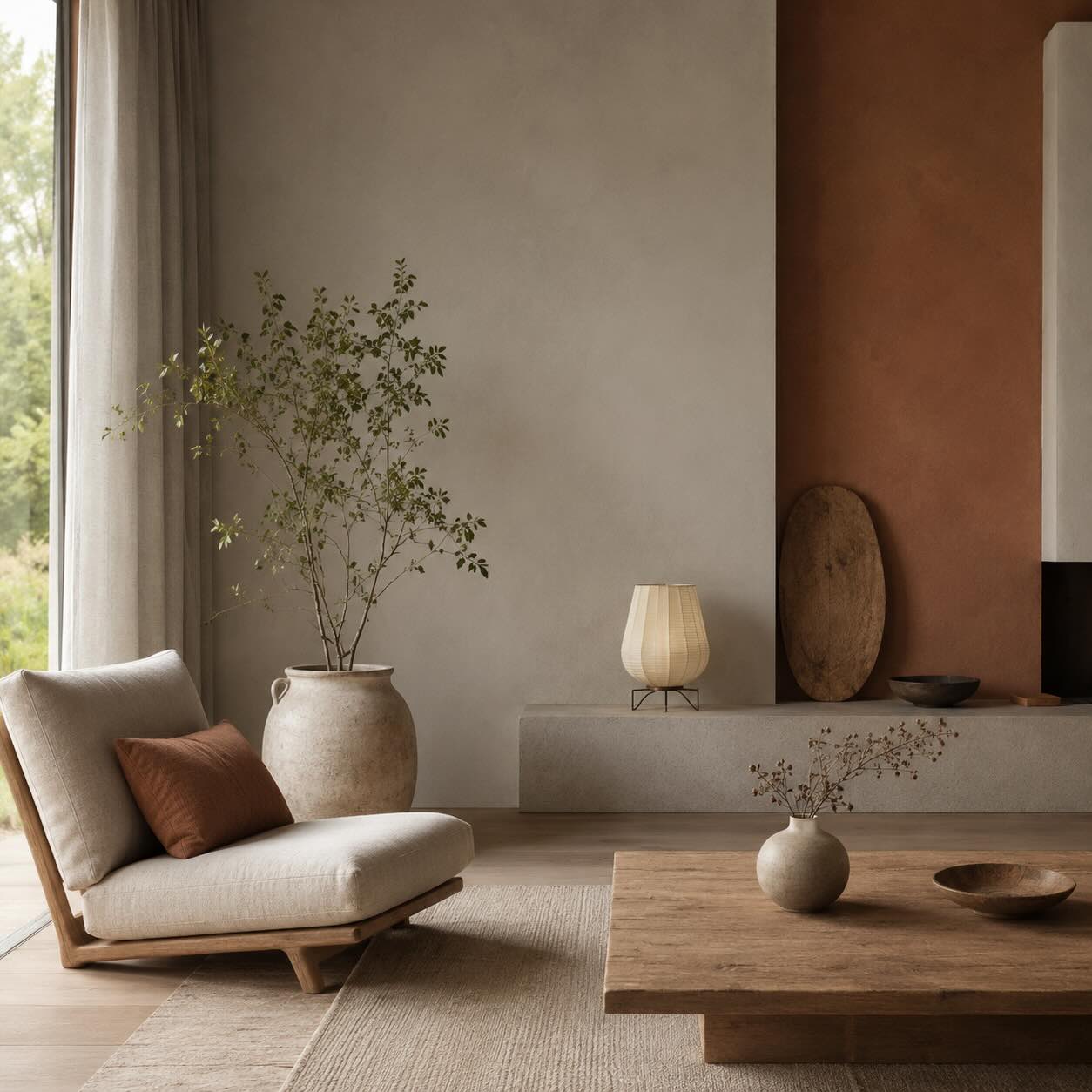
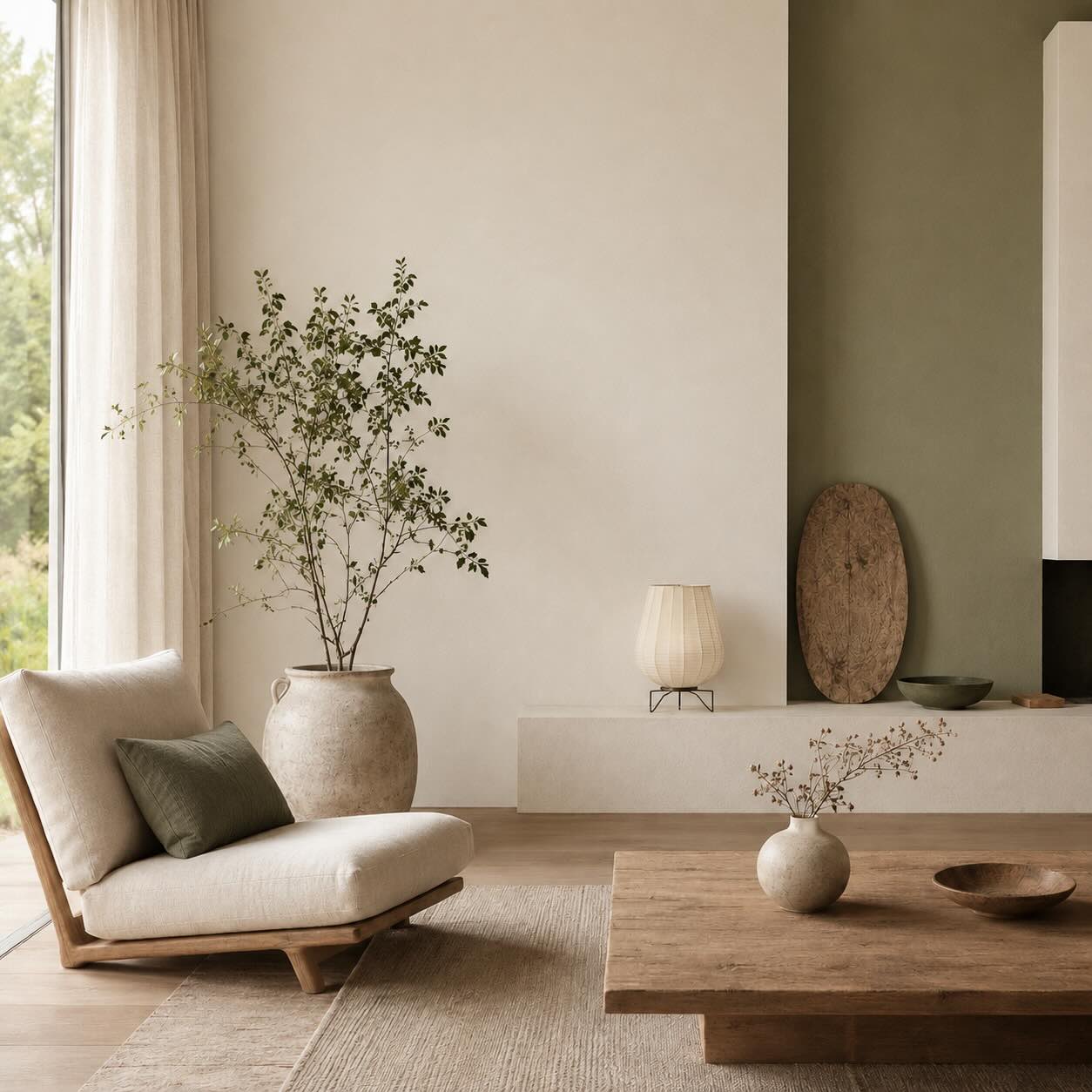
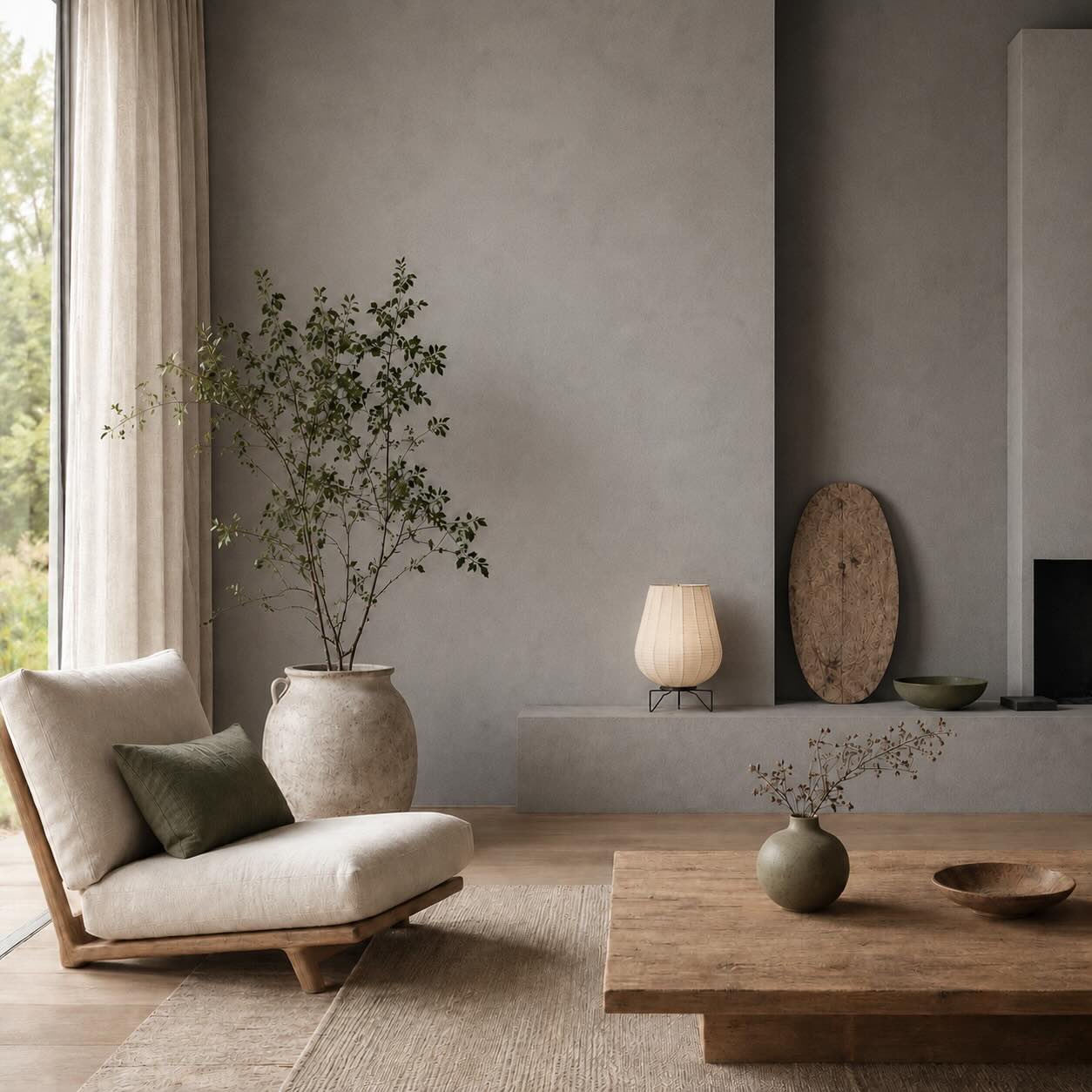
Japandi brings together Japanese serenity and Scandinavian softness in one calm, balanced interior style. The atmosphere is minimalist, warm, and natural, with a strong focus on light, space, muted colours, and honest materials. This style is perfect for those who want to live more consciously, own less, and experience more peace in their home.

COLOURS

Colour Palettes for a Japandi Interior

Colour defines the balance between serenity, warmth, and depth in a Japandi interior. Soft earthy tones, muted greens, warm whites, and dark accents create three distinct atmospheres: light and natural, earthy and comforting, or bold and minimalist.

PALETTE 1

Soft & Earthy

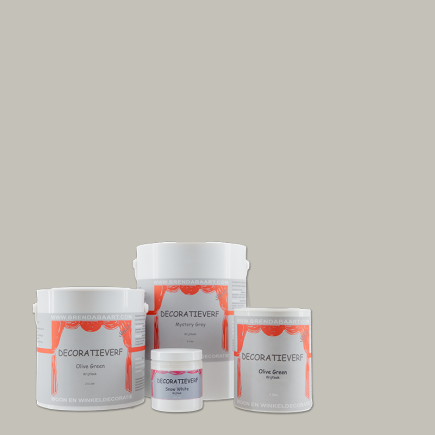
Cinque Terre – Montmartre Grey – Old White – Umber Brown

Cinque Terre brings a natural, earthy softness to the space and pairs beautifully with wood, linen, and ceramics. Montmartre Grey creates a calm foundation across larger surfaces, while Old White adds light. Umber Brown introduces subtle natural depth, keeping the palette warm without making it feel flat.

PALETTE 2

Light & Natural

Old White – Olive – Snow White – Namibian Sand

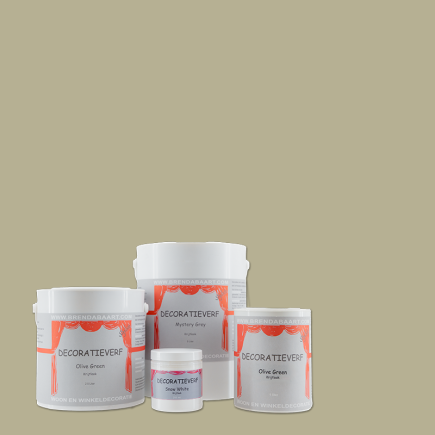
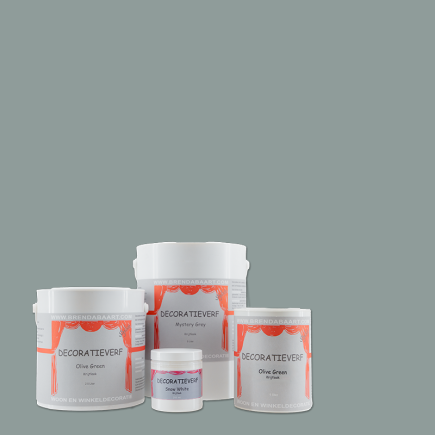
Old White creates a soft, light foundation without feeling harsh or cool. Snow White can be used to make natural daylight feel brighter and fresher, while Namibian Sand adds warmth. Olive introduces natural depth on a cabinet, in a niche, or through an accessory. This keeps the space open, calm, and effortlessly personal.

PALETTE 3

Deep & Minimalist

Mystery Grey – Cornwall Black – Peyote Green – Montmartre Grey

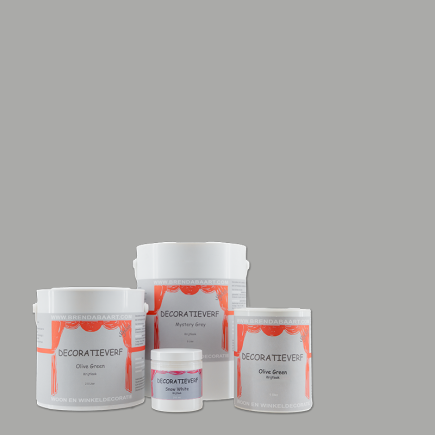
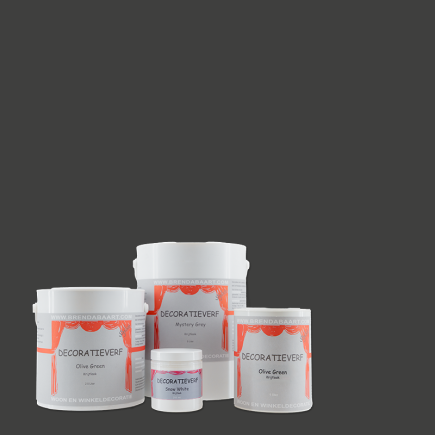
Mystery Grey gives this palette a refined, muted foundation that perfectly complements the understated character of Japandi. Montmartre Grey softens the transitions, Peyote Green brings nature into the space, and Cornwall Black adds a strong graphic accent. Use black sparingly, for example on a picture frame, a branch, a slim furniture detail, or a vase.

HOME ACCESSORIES

Calm Begins with Conscious Choices

A Japandi interior does not need many accessories, but rather carefully selected objects that bring calm, texture, or meaning. Think ceramic vases, wooden bowls, understated cushions, linen curtains, LED candles, sculptural branches, and artworks with quiet, simple lines. Choose a few larger objects instead of many small decorative items. Subtly repeat the colours from your chosen palette in paint, textiles, and accessories, so the space remains open while still feeling warm and inviting.

Ramanda's Tip

“Find a beautifully shaped branch outdoors with a strong, natural line. A branch that is not completely perfect works especially well in a Japandi interior: a slight curve, irregular offshoots, or a weathered shape adds character. Paint the branch with Decoration Paint in Cornwall Black and place it in a vase that complements your palette, such as Old White, Cinque Terre, Peyote Green, Mystery Grey, or Olive. Then position a small lamp low to the floor and direct the light upwards along the branch. This creates a calm play of shadows on the wall that feels almost like a piece of art. Keep the rest understated: one branch, one vase, and one light source are enough.”
MATERIALS * TEXTURES * LIGHT

Breng Japandi in huis

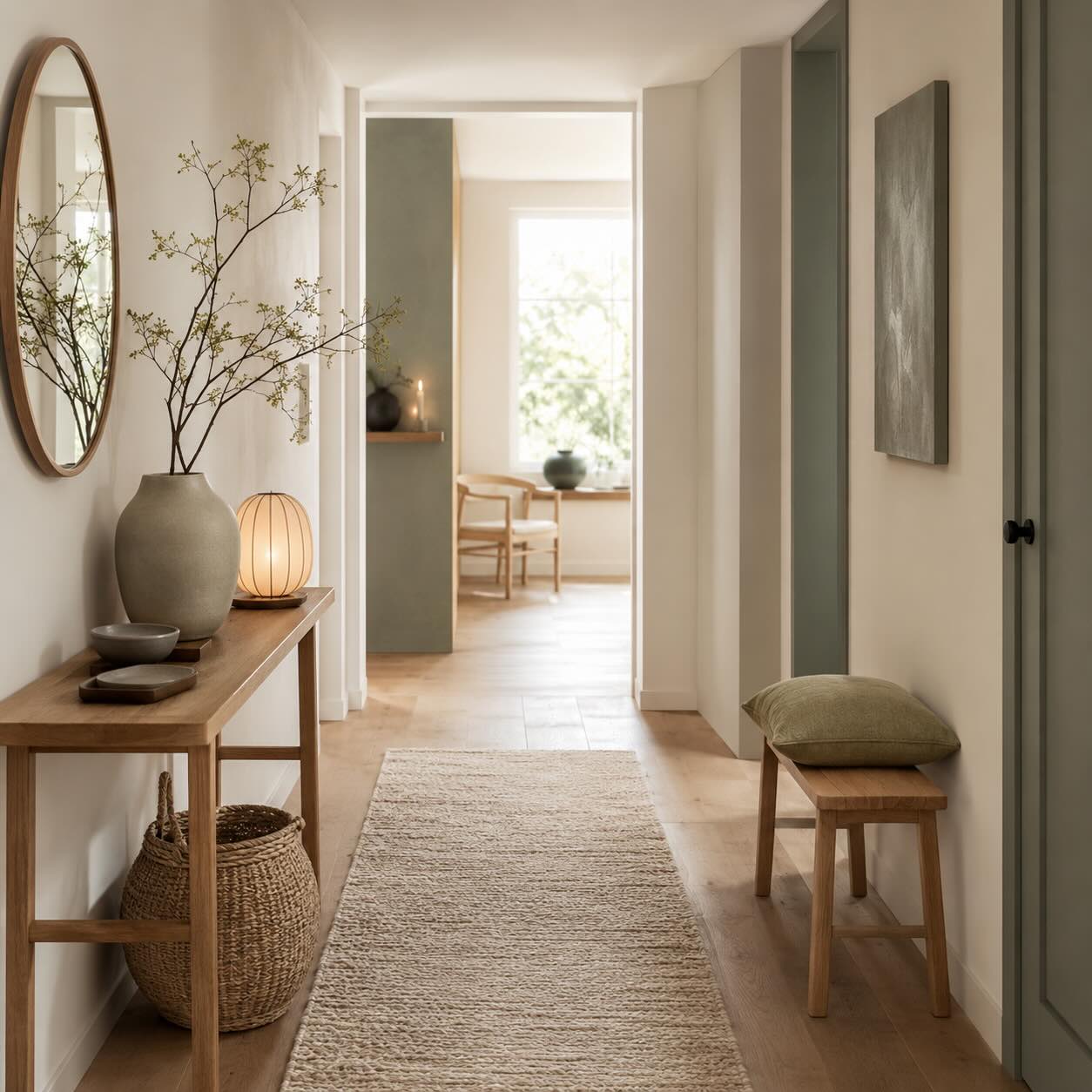
Japandi comes to life through honest materials, tactile textures, and soft lighting. Choose wood, linen, ceramics, matte paint, wool, and understated fabrics. A light wood texture on the floor creates a warm foundation, while Decoration Paint with its matte chalk-look finish gives the walls a calm, muted appearance.

Texture prevents the space from feeling flat: a coarsely woven cushion, simple curtain fabric, or ceramic vase adds depth without creating visual clutter. During the day, allow natural light to be softly filtered through airy window treatments. In the evening, warm lamps, LED candles, and subtle shadows create a sense of calm and intimacy.

SHOP HERE

Shop the Japandi Style

Create your Japandi interior step by step with matte Decoration Paint colours, natural fabrics, understated curtains, ceramic accessories, LED candles, artwork, and minimalist home décor. Choose each element with intention and leave space around it, allowing every material, object, and colour to stand out and be fully appreciated.