The Decoration Surface Check
Start well-prepared, without unnecessary work.
Decoration Paint can be applied to many surfaces without the need for intensive sanding beforehand. However, every surface is different.
Therefore, a high-quality paint finish doesn’t necessarily start with sanding; it begins by assessing what the surface actually requires. Is the surface clean, dry, solid, and sound? If so, you can often get started right away—simply by cleaning it first. Is the surface rough, damaged, highly absorbent, or perhaps marked by soot or nicotine stains? In that case, additional preparation will be necessary.
Don’t just start sanding. Assess the surface first.

The basics
Always check these points
Clean
Remove dust, dirt, grease, furniture polish, and any other residues that could interfere with adhesion.
Dry
Do not paint over a damp surface. Any active moisture issues must always be resolved first.
Sound/Stable
The surface must be solid. A new coat of paint is never stronger than the layer beneath it.
Free of loose material
Remove loose paint, rust, wood fibers, powdery residue, and any layers that are not adhering well.
Suitable for the intended use
A decorative vase is subjected to different stresses than a tabletop, an exterior wall, or a cabinet door. Therefore, consider not only the material itself but also how the surface will be used.

Painting without sanding. What do we mean by that?
You do not necessarily need to sand an existing surface down to the bare material before applying Decoration Paint.
Sanding or lightly abrading the surface may be necessary if:
- the surface is very smooth or high-gloss;
- the existing layer does not adhere well;
- paint or varnish is peeling or flaking;
- the wood is rough or fibrous;
- damage or repairs need to be smoothed out;
- sharp edges or transitions remain visible.
The purpose of sanding is not to remove all the old paint by default; rather, it is to ensure a solid, even surface that provides a good base for adhesion.
In short: if the existing layer is firmly attached and the surface is suitable, extensive sanding is often completely unnecessary.
Wanneer gebruik je Decoration Voorstrijk?
Some walls require a preparatory coat before applying Decoration Paint.
You should use Decoration Primer (Decoration Voorstrijk) for surfaces such as:
- highly absorbent walls;
- surfaces that would otherwise soak up an excessive amount of paint;
- walls with soot stains;
- walls affected by nicotine staining.
A highly absorbent wall can cause Decoration Paint to be absorbed unevenly, potentially requiring an unnecessary number of coats.
Decoration Primer prepares the surface, allowing for a more even application of Decoration Paint.
In cases of soot or nicotine staining, Decoration Primer also helps prevent these marks from reappearing through the new coat of paint.

Choose your surface
Do you have any questions?
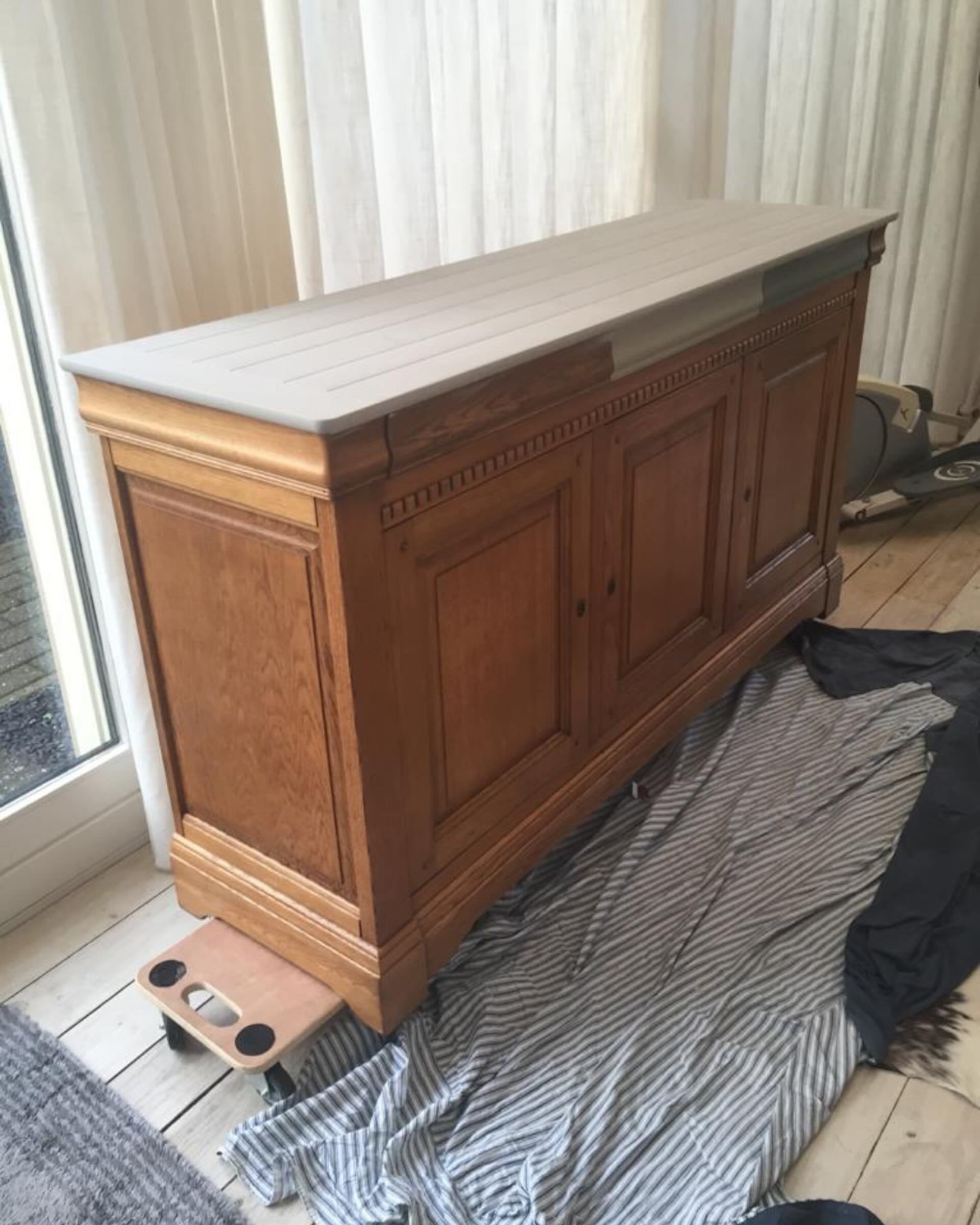
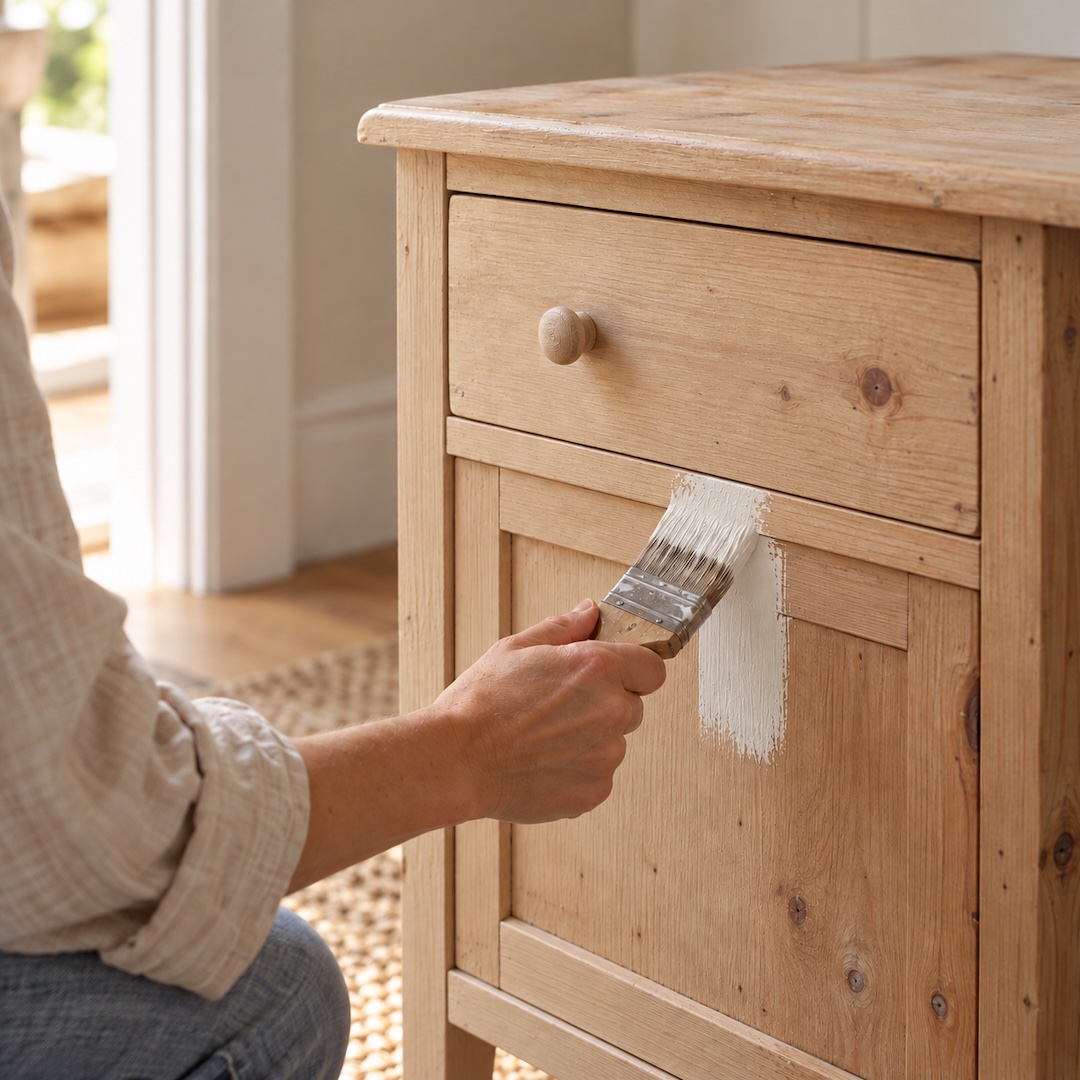
Decoration Paint can be applied to many wooden pieces of furniture and other wooden surfaces.
Pay particular attention to the following:
- clean and degrease thoroughly;
- remove any loose paint or damaged layers;
- repair any damage first;
- sand down rough, fibrous, or excessively smooth wood where necessary;
- exercise extra caution if the surface has been treated with wax or oil, or if the existing finish is unknown;
- if in doubt, perform a test on a small, inconspicuous area.
Consequently, it is not always necessary to completely remove an existing, stable layer of paint or varnish.
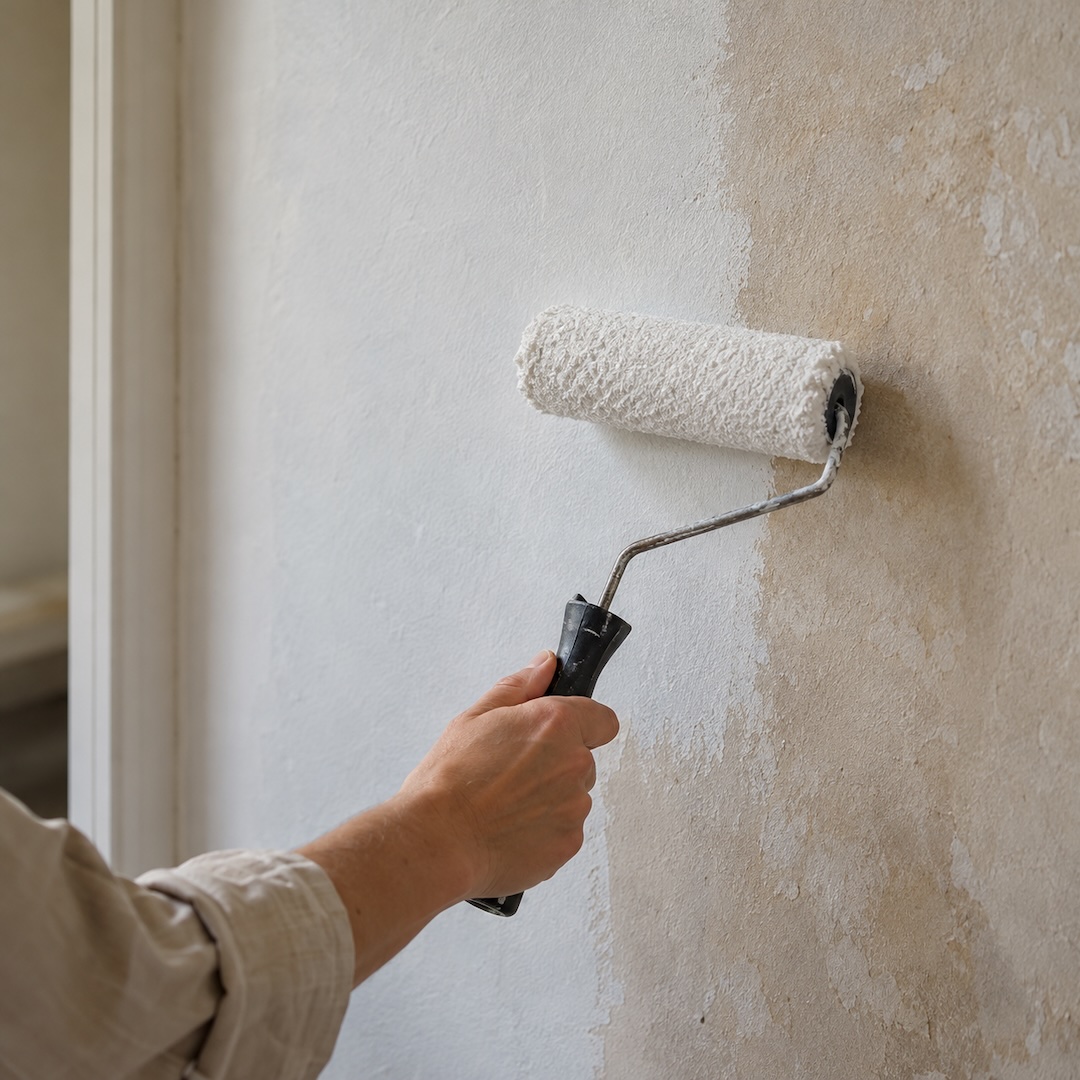
Decoration Paint can be applied to suitable interior and exterior walls.
Please note the following:
- ensure the wall is clean, dry, and structurally sound;
- remove any loose or powdery material;
- repair cracks and damage first;
- always address the root cause of any moisture or mold issues;
- use Decoration Primer (Decoration Voorstrijk) on highly absorbent walls;
- use Decoration Primer (Decoration Voorstrijk) in cases of soot or nicotine staining;
- if in doubt, apply a test patch.
A well-prepared wall ensures a more uniform result and prevents the need for an excessive number of coats of Decoration Paint.
Decoration Paint can be used for decorative purposes on various metal surfaces.
Please pay close attention to the following:
- clean and degrease the metal very thoroughly;
- remove any loose rust or flaking paint;
- ensure that any existing coating is firmly adhered;
- abrade very smooth or glossy surfaces to create a matte finish where necessary;
- use a suitable primer if the metal is prone to rust or is exceptionally smooth;
- in case of doubt, always create a test patch first.
Decoration Paint does not replace an anti-rust primer in situations where one is technically required.
Decoration Paint can be applied decoratively to glass objects.
Please pay particular attention to the following:
- remove labels, adhesive residue, and dirt;
- clean and degrease the glass very thoroughly;
- remove any traces of oil, silicone, or cleaning agents;
- touch the surface as little as possible after degreasing;
- do not sand the glass as a standard procedure, as this can damage or dull the surface;
- always create a test patch first.
With glass, a clean and grease-free surface is essential for good adhesion.
Decoration Paint can be applied to various stone-based surfaces, such as brick, concrete, terracotta, and decorative stone objects.
Please note the following:
- ensure the surface is clean, dry, and structurally sound;
- remove any loose material or poorly adhering layers;
- check for moisture and efflorescence (salt deposits);
- be aware that porous stone and terracotta may be highly absorbent;
- pay extra attention to adhesion when working on smooth, glazed, or polished surfaces;
- if in doubt, always create a test patch first.
Any moisture issues or efflorescence must be resolved before you begin painting.
Decoration Paint is not an ordinary fabric paint and is therefore intended solely for specific decorative applications on textiles.
It is suitable for items such as:
- rigid lampshades;
- decorative cotton cloths;
- canvases (e.g., for painting);
- fixed textile objects that will not be washed.
It is not suitable for items such as:
- clothing;
- curtains;
- cushion covers;
- upholstery;
- other flexible or washable textiles.
Always create a test sample first, as different fabrics can absorb the paint in very different ways.
Ready to get started with Decoration Paint?
A well-prepared surface helps you get the best results from Decoration Paint. Discover all the colors and choose the paint that suits your piece of furniture, wall, or interior project.